



Independent, long-term educational advisory · London

Funding changes what is possible. Plan it early.

Funding strategy

Scholarships, awards anda realistic funding plan.

A course is only a realistic option when the wider financial plan makes sense. Tuition, living costs, travel, available family funding and possible awards should be considered alongside the academic decision rather than after an offer arrives.

We help students research relevant opportunities, understand eligibility and deadlines, and prepare a coherent, student-authored scholarship application.

  1. Profile-led strategy

    Funding opportunities are matched against the student’s academic record, course, nationality and circumstances.

  2. Application craft

    Teaching, structure and responsible review of the student’s own scholarship materials — not ghostwriting.

  3. Decision support

    A realistic contingency plan so the wider education decision does not depend on a single uncertain result.

What it covers

Funding belongs in the education decision from the beginning.

Scholarships and other funding opportunities may depend on academic profile, course, nationality, financial circumstances and the evidence requested by the funder. Each requires careful research, not assumption.

  1. Funding research

    Identifying awards that are genuinely relevant to the student’s profile, course, level, nationality and circumstances. We help distinguish confirmed eligibility from a general assumption that funding might be available.

  2. Eligibility & deadlines

    Understanding the specific criteria, supporting evidence requirements and submission deadlines for each award — which may follow a different timetable from the main academic application.

  3. Application materials

    Teaching the student how to write a coherent scholarship application — helping them connect their academic direction, relevant experience, evidence and future purpose without exaggeration. The material remains theirs.

  4. References & nominations

    Coordinating the reference and nomination process where required, including helping the student identify appropriate referees and understand what the funder is asking for from supporting letters.

  5. Interview preparation

    Where an award includes an interview, preparation focuses on clear communication, relevant evidence and realistic practice. The purpose is to help the student explain their own direction and experience — not rehearse a manufactured answer.

  6. Contingency planning

    The funding plan should also consider affordability if an award is partial or unsuccessful. Clear alternatives protect the wider education decision from depending on a single uncertain result.

How it works

Research, plan, apply— in the right order.

Funding deadlines, institutional nominations and supporting evidence may follow a different timetable from the main academic application. The process needs to be coordinated from the outset, not added later.

Funding decisions are made by the relevant institution or organisation. Echos cannot guarantee an award, but we can help the student understand the criteria, prepare responsibly and maintain a realistic plan for every outcome.

  1. Profile & opportunity mapping

    We establish the student’s academic record, course, nationality and circumstances, then research the funding landscape for opportunities that appear genuinely relevant.

  2. Eligibility check & timeline

    We verify eligibility against the funder’s published criteria and map all deadlines — nominations, references, materials and submission — against the main academic application timetable.

  3. Materials & evidence

    The student develops their scholarship application. We help interpret the criteria, plan the evidence, structure the argument and review student-authored drafts. We do not write or ghostwrite submitted materials.

  4. Interview & contingency

    Where an interview is required, we help the student prepare to speak clearly about their own record and direction. We also confirm the contingency plan so the decision does not depend entirely on a single uncertain award.

Who it helps

Funding strategy at every level of study.

Scholarship support is relevant at any stage where an award could meaningfully change what is financially possible. The opportunities, criteria and application approach differ by level.

  • School & foundation

    Bursaries and fee assistance at school level.

    Students applying to independent schools or foundation programmes where bursaries, means-tested awards or merit scholarships are available. Criteria, evidence requirements and timelines vary significantly by institution.


  • Undergraduate

    University scholarships and government awards.

    Undergraduate students researching institutional scholarships, government funding programmes or external awards that may offset tuition or living costs at a UK university.

  • Postgraduate & research

    Competitive awards, grants and funded places.

    Postgraduate students and researchers applying for competitive scholarships, research funding, fully funded programmes or grants where a strong, well-structured application is essential.

Understanding the scope

What Scholarship Support is, and is not.

Honest advice about what is possible matters as much as the application itself. Funding decisions are made by funders — not by Echos.

What it is

Research, preparation and responsible guidance.

  • Researching funding opportunities relevant to the student’s profile and course
  • Verifying published eligibility criteria and identifying confirmed opportunities
  • Mapping funding deadlines and nominations against the academic application timetable
  • Teaching the student to write a coherent, honest scholarship application
  • Reviewing student-authored materials and helping coordinate references
  • Preparing the student for scholarship interviews through realistic practice
  • Establishing a contingency plan for partial or unsuccessful awards

What it is not

Guarantees, ghostwriting or financial advice.

  • Not a guarantee of any award, funding or financial outcome
  • Not ghostwriting scholarship essays or submitted application materials
  • Not inventing achievements, experiences or evidence the student does not have
  • Not regulated financial advice about loans, government funding or tax matters
  • Not submitting applications or corresponding with funders on behalf of the student
  • Not a substitute for checking a funder’s current published criteria directly

Different awards cover different costs and impose different eligibility rules, evidence requirements or continuing obligations. The exact value and conditions of any award must be checked against the funder’s current published information before the student relies on them in their planning.

Related services

Scholarship support alongside the wider application.

Funding strategy works best when it is integrated with the academic application rather than addressed separately after an offer arrives.

The Echos community

Learning continues beyond the application.

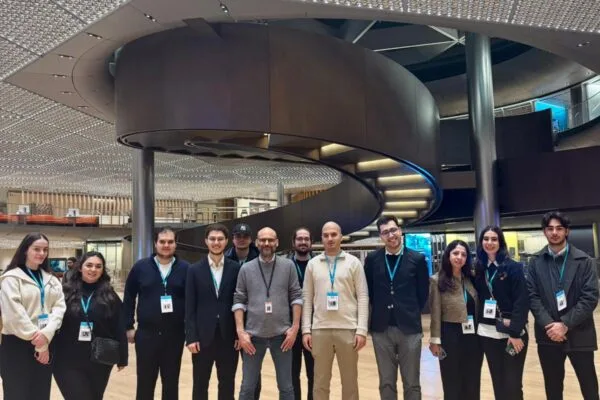
From receptions and university visits to conversations with educators and professionals, Echos creates opportunities for students to engage with people, ideas and institutions beyond their immediate academic work.

Start with where the student is today.

Tell us where the student is now, what they may be considering and what remains uncertain. We will help make sense of the options and decide what should happen next.

Speak With Echos