



Independent, long-term educational advisory · London

Everyday life abroad should become genuinely yours.

Non-academic adjustment

Practical independencein everyday life abroad.

Moving country changes familiar routines at once. Transport, food, appointments, household responsibilities, social connections and the practical rhythm of a new city can all require attention while the student is also beginning a demanding educational transition.

Life Mentoring provides a regular, non-academic relationship in which the student can discuss routines, practical questions, confidence, communication and belonging.

  1. One-to-one

    Focused guidance shaped around the individual student’s situation and pace of adjustment.

  2. Expert mentors

    Specialists chosen for the student, the objective and the level of independence required.

  3. Visible progress

    Purposeful sessions with clear goals, continuity and a tangible increase in confidence over time.

What it covers

The practical dimensions of life abroad.

The exact focus changes with age, circumstances and the level of independence expected. Sessions address what the student actually needs, not a fixed syllabus.

  1. Routines & daily life

    Transport, timetables, shopping, food and the practical rhythm of living in a new city. Building reliable habits that make everyday life manageable without constant assistance.

  2. Appointments & administration

    Medical appointments, bank accounts, phone contracts, registration requirements and the administrative steps that are unfamiliar in a new country and language environment.

  3. Confidence & communication

    Navigating social situations, understanding local expectations, asking for help and building the communication confidence needed to participate more fully in daily life.

  4. Belonging & social connection

    Finding community, managing loneliness, understanding cultural differences and developing a sense of belonging that supports both wellbeing and academic performance.

  5. Independent decision-making

    Developing the judgement to assess options, weigh consequences and make informed decisions independently — rather than relying on others for choices that can be handled alone.

  6. Household responsibilities

    Managing accommodation, understanding responsibilities to landlords or institutions, handling shared living and keeping track of practical obligations that arrive with independent life.

How it works

A regular relationship,not an emergency service.

Life Mentoring is built around continuity. The value of a regular relationship is that the mentor knows the student’s situation, can notice what is changing and can work with what is actually happening rather than starting from scratch each time.

Sessions are purposeful. There is a goal, continuity between sessions and a clear sense of what the student is working towards over time.

The mentor helps the student understand options, prepare for practical tasks and make informed decisions. The purpose is not to manage life on the student’s behalf, but to build the judgement and confidence needed to handle it more independently over time.

  1. Initial assessment

    We establish where the student is, what is already working and what requires practical attention. This shapes the focus and frequency of sessions.

  2. Regular sessions

    Scheduled conversations in which the student discusses current challenges, practical questions and what is coming next. Sessions are structured around what the student actually needs to address.

  3. Between-session preparation

    When something practical is approaching — an appointment, a task, an unfamiliar situation — the mentor helps the student prepare in advance so they can handle it with confidence.

  4. Progress review

    As the student develops more independent habits, the nature and frequency of mentoring adjusts. Success means needing less structured support over time.

Who it helps

Different students arrive with different needs.

Life Mentoring is shaped around what the individual actually faces. Age, prior experience, language confidence and family expectations all influence what useful support looks like.

  • School & Foundation students

    First time living independently abroad.

    Younger students navigating boarding school or foundation programmes for the first time, managing daily life without family nearby, often while also managing a new language environment.


  • Undergraduate & postgraduate

    Greater independence, greater complexity.

    University students managing their own accommodation, finances, social life and practical responsibilities alongside demanding academic programmes, often for the first time.

  • Any stage of study

    When adjustment takes longer than expected.

    Students at any level who are struggling with the non-academic dimensions of life abroad — confidence, practical tasks, communication or a persistent sense of not quite belonging.

Understanding the scope

What Life Mentoring is, and what it is not.

Clarity about scope matters for families as much as for students. Life Mentoring is a defined service with a specific purpose.

What it is

A practical, confidence-building mentoring relationship.

  • Regular, structured sessions with a consistent mentor
  • Practical guidance on daily life, routines and logistics in the UK
  • Support for confidence, communication and social adjustment
  • Preparation for appointments, tasks and unfamiliar situations
  • Progress-focused — the student develops greater independence over time
  • Coordinated with Academic Mentoring when both are in place

What it is not

Professional, regulated or emergency support.

  • Not academic mentoring, tutoring or subject support
  • Not legal advice, immigration guidance or financial counsel
  • Not a substitute for medical or mental-health services
  • Not a concierge or management service — the student makes decisions
  • Not emergency crisis support or a 24-hour contact
  • Not a replacement for family communication or institutional welfare teams

When a question requires specialist, regulated or emergency services, we make that boundary clear and help the student identify the appropriate next step. The mentor does not substitute for professional support, but helps the student understand which service they need and how to reach it.

Related services

Other forms of support through Echos.

Life Mentoring works alongside other Echos services, or independently, depending on what the student actually needs.

The Echos community

Learning continues beyond the application.

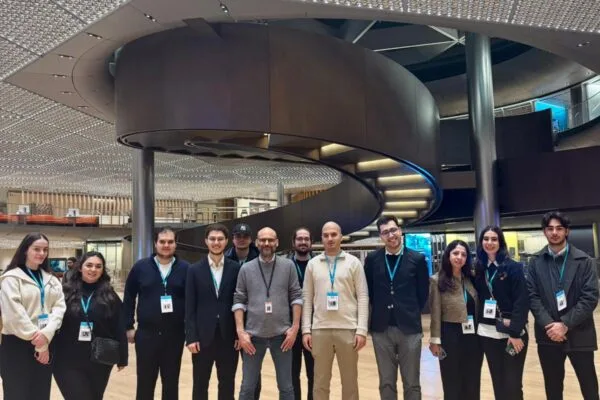
From receptions and university visits to conversations with educators and professionals, Echos creates opportunities for students to engage with people, ideas and institutions beyond their immediate academic work.

Start with where the student is today.

Tell us where the student is now, what they may be considering and what remains uncertain. We will help make sense of the options and decide what should happen next.

Speak With Echos